
Mold Inspection & Testing • Inwood, NY
Mold Inspection and Testing Inwood, NY
Mold inspection and testing helps determine whether mold is present, where moisture or suspected growth is located, and whether sampling is useful, using moisture meters, air sampling, and surface samples rather than a guess based on appearance. Not every situation needs lab testing, but hidden or ambiguous cases may.
Serving Inwood and the Five Towns
Same day response when available
Inspection & Testing
Mold Inspection and Testing Inwood Are Not the Same Thing
An inspection is a visual and physical evaluation of a property, looking for visible growth, moisture patterns, and conditions likely to support mold growth. Testing means collecting a physical sample and sending it to a lab for analysis. A property can be inspected without any testing at all, and testing without a proper inspection first usually produces a result with no useful context behind it. The two are typically used together, but they answer different questions.


The Inspection
What Happens During a Mold Inspection
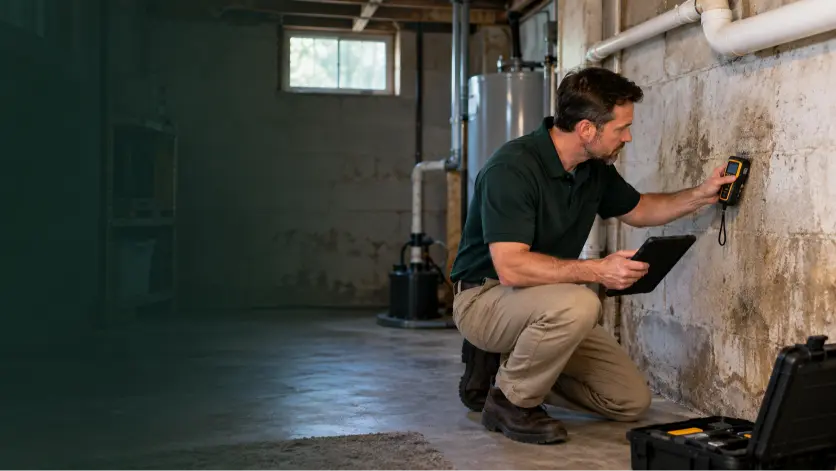
A typical inspection combines a visual walkthrough with moisture diagnostics. Moisture meters, both pin style and pinless, check materials like drywall, wood framing, and subfloor for elevated moisture that is not always visible on the surface. A thermal imaging camera can help map temperature differences that often correlate with hidden moisture behind walls or under flooring, though it detects temperature, not mold itself, and results still require interpretation. Areas most prone to problems, basements, crawl spaces, attics, and around HVAC systems, generally get particular attention.
Testing Decisions
When Testing Actually Makes Sense
If mold is already visible, testing to confirm it is mold is often unnecessary, since visible growth generally gets addressed regardless of species. Testing tends to matter more in specific situations:
- A musty smell is present with no visible mold, and the goal is to determine whether hidden growth exists
- Someone in the home has health concerns and wants documentation of indoor air conditions
- A real estate transaction requires documentation before closing
- Post-remediation clearance is needed to confirm a completed job met the required conditions
- A dispute with a landlord, tenant, or insurer requires third party documentation
Sampling Methods
How Samples Are Collected and Analyzed
Air sampling
Air sampling uses a calibrated pump to draw a measured volume of air through a spore trap cassette, which is then sent to a lab for analysis. An outdoor control sample is typically collected the same day for comparison, since outdoor air always contains some level of mold spores naturally. There is no federal standard for what counts as a “safe” indoor spore count, so the meaningful information usually comes from comparing indoor results to that outdoor baseline and to the moisture findings from the same inspection, not from a number in isolation.
Surface sampling
Surface sampling, using tape lift or swab methods, collects material directly from a suspect surface to confirm whether something is mold and, if so, what type. This is useful for identifying a specific patch but does not indicate whether spores are circulating in the air.
Bulk sampling
Bulk sampling involves submitting a piece of the actual material, such as a cut section of drywall, for lab analysis.
Lab credibility matters for any of these. Look for a laboratory that follows recognized analytical methods and maintains appropriate quality-control procedures for environmental microbiology testing.
Inspection Reports
What a Mold Inspection Report Should Include
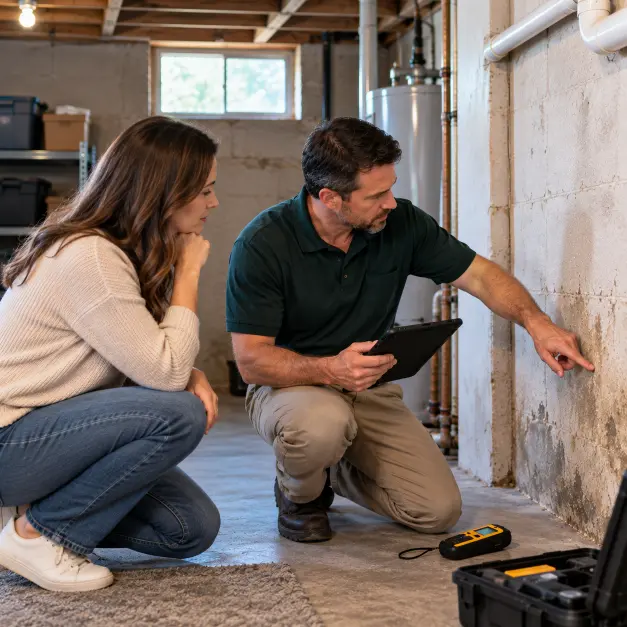
A useful report generally documents the areas inspected, moisture readings by location, any visible growth observed, sample locations and lab results if testing was performed, and a written interpretation connecting the findings to a likely cause. A report that lists numbers without explaining what they mean in context is far less useful than one that ties the data back to an actual moisture source and a recommended next step.
For covered mold assessment work in New York, homeowners should verify that the professional holds the appropriate New York mold-assessor license.
Real Estate
Pre-Purchase and Real Estate Inspections in Inwood
Home sales in Inwood and across Nassau County often move on a tight closing timeline, and a mold concern raised during a standard home inspection can stall a sale if it is not addressed with documentation quickly. A dedicated mold inspection, separate from the general home inspection, gives buyers and sellers a clearer, lab backed answer instead of a visual guess under time pressure, which can help keep a transaction moving instead of stalling on an unresolved question.
Frequently Asked Questions
Frequently Asked Questions
Do I need mold testing if I can already see the mold?
Usually not. Visible mold generally gets addressed through remediation regardless of species, since the CDC’s guidance is that all mold should be treated similarly with respect to health risk and removal. Testing tends to matter more when mold is suspected but not visible.
How accurate is air sampling?
It is a useful tool but requires context to interpret. Since there is no federal standard for acceptable indoor spore levels, results are generally compared against an outdoor control sample and combined with moisture readings from the same inspection, rather than judged as a single number.
Can I do mold testing myself with a store bought kit?
Store bought test kits exist, but professional sampling uses calibrated equipment and a controlled outdoor comparison sample, and results go to an accredited lab. A kit without those elements is harder to interpret meaningfully.
How long does it take to get lab results?
Turnaround time depends on the lab and the type of analysis requested, and can range from about a day to roughly a week depending on the method used.
Do I need an inspection before buying a home in Inwood?
Not always required, but worth considering given the area’s flood history and older housing stock. A separate mold inspection can give more specific information than a general home inspection alone, particularly for a basement or crawl space.
Is testing required for an insurance claim?
It depends on the insurer and the specifics of the claim. Documentation from an inspection, including moisture readings and any test results, can support a claim, but requirements vary by policy and provider.
For the regulatory side of assessment and remediation in New York, see our Mold Remediation page. For basement specific moisture concerns, see Basement and Crawl Space Mold Removal. This service is available across Inwood, NY and the Five Towns.
Mold Inspection & Testing
Mold Inspection and Testing in Inwood, NY
Sources referenced: U.S. Environmental Protection Agency, Centers for Disease Control and Prevention, New York State Department of Labor Mold Program and Labor Law Article 32.